
Fresh Design for
Your Modern Space
"The true secret to happiness lies in taking a genuine interest in all the details of daily life." William Morris

What a More Resilient Home Energy Plan Looks Like in Jacksonville
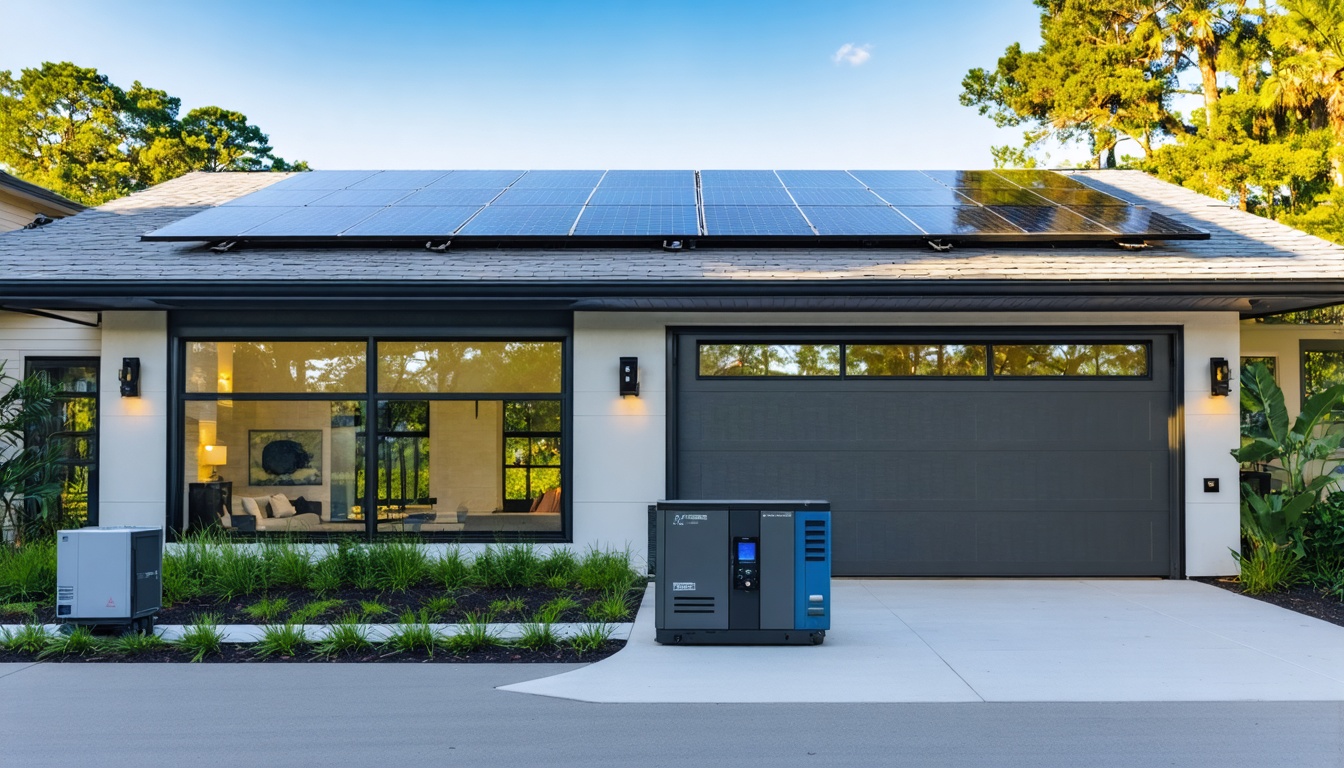
Living in Jacksonville presents unique challenges due to the variability and intensity of local weather. Establishing a resilient home energy plan is important not only for comfort but also for safeguarding investment and ensuring reliability during adverse weather conditions. To create an effective energy solution, homeowners should consider a combination of advanced technology, renewable energy sources, and community support systems. A resilient home energy plan typically involves several key components. First, integrating smart home technology can enhance energy efficiency by allowing homeowners to monitor and manage energy use in real-time. Smart thermostats, energy management systems, and energy-efficient appliances can significantly reduce consumption and costs. Second, incorporating renewable energy, such as solar panels, can provide homeowners with a reliable energy source that reduces dependence on the grid. This is particularly beneficial during power outages typical of storms in the area. Additionally, investing in battery storage systems can ensure that energy is available during peak demand periods or outages, thus increasing overall resilience. Lastly, community support can play a vital role in managing energy-related challenges. Establishing networks for mutual aid among neighbors can facilitate resource sharing and collective problem-solving during emergencies. Local resources, such as government programs or non-profit organizations focusing on energy resilience, should also be considered. In summary, to adapt your home energy setup to the demands of Jacksonville's climate, it is essential to focus on integrating smart technologies, utilizing renewable energy, and fostering community resilience. By addressing these aspects, homeowners can enhance their property's energy security and responsiveness to changing weather patterns.
The Emotional and Financial Toll of Weather Disasters
As the occurrence of weather-related disasters becomes more frequent and severe, homeowners in Jacksonville encounter numerous challenges that extend beyond physical property damage. These challenges include increasing insurance premiums, heightened energy consumption, and significant repair costs associated with flooding, high winds, and extreme heat events.
Local government agencies, such as the Department and Office, play a role in addressing these issues by providing informational resources and planning support.
Annual weather events present substantial challenges for both residential and commercial property owners, which leads Land Use committees to focus on effective strategies for stormwater management, particularly in areas like North Jacksonville.
In addition to the financial ramifications, these disasters can have emotional impacts on residents, including anxiety and post-traumatic stress disorder (PTSD), which may negatively influence overall quality of life.
To mitigate these challenges, the community can benefit from coordinated efforts to seek support, access current information, and engage in environmental stewardship initiatives. Through collaboration and informed action, residents can more effectively manage the complexities introduced by severe weather events.
The Importance of Resilient Homes
In Jacksonville, the challenges posed by hurricanes and flooding highlight the necessity for a systematic approach to building resilience in homes. A resilient home is defined as one that not only provides shelter but also functions as a strategic asset that enhances personal safety, comfort, and financial stability. By preparing for extreme weather events and engaging with local resources, homeowners can better protect their property and contribute to community resilience.
The adoption of efficient HVAC systems, the integration of smart technology, and the use of renewable energy sources are effective strategies for reducing energy consumption and managing stormwater runoff. These actions are essential to address the risks associated with climate change and to ensure that infrastructure remains operational during severe weather events.
The city of Jacksonville offers various resources, including annual assessments and committee recommendations, which can be found in the Department Site Map and related PDF Information. These guidelines serve to help homeowners maintain resilience in the face of climate-related challenges.
Focusing on investments in resilience not only preserves land use rights but also enhances overall quality of life for Jacksonville residents.
Structural Integrity: Designing for Weather Resilience
In Jacksonville, the presence of hurricanes and flooding underscores the importance of structural integrity in home design, particularly to mitigate the impacts of severe weather conditions. The use of materials such as reinforced concrete and steel framing, along with secure fasteners, is vital for ensuring homes can endure high wind forces and manage stormwater effectively.
The establishment of continuous load paths is necessary to minimize the risk of structural failure during extreme weather events, thereby bolstering resilience against such occurrences.
On a broader scale, municipalities should engage in continuous annual planning to address the repercussions of climate change, including extreme heat and various weather-related challenges.
Appropriate architectural and engineering design is crucial not only for reducing energy consumption but also for enhancing the quality of life for residents and business owners.
For additional details or inquiries, please refer to the Site Map or contact our office directly.
Specifying Durable Materials to Withstand Extreme Weather
Selecting appropriate building materials is crucial for enhancing the resilience of homes in Jacksonville during hurricane and storm events. Materials such as reinforced concrete, steel framing, and impact-resistant roofing are proven to improve a structure's ability to withstand high winds and mitigate the risks associated with flooding.
The application of these materials is important for both residential and commercial properties in North Jacksonville, as they contribute to greater safety and can lead to reduced repair costs over time.
Incorporating proper building practices, including the establishment of continuous load paths, complements the city’s goals for environmental management and effective stormwater runoff control. Using durable materials not only helps improve resilience against extreme weather but also aligns with wider environmental objectives.
For specific guidance on material specifications that comply with established standards, it is recommended to consult the relevant department office, rely on authoritative resources, and seek documentation on materials that adhere to the guidelines set forth by industry committees.
Benefits of Fortified Homes
For residents of Jacksonville seeking to mitigate the risks posed by hurricanes, constructing a fortified home represents a practical option. Fortified homes are engineered to endure high winds, flooding, and other severe weather events that are prevalent in the region.
Utilizing enhanced materials and careful design, such as Solar Panels in Jacksonville, Florida, not only minimizes annual maintenance and repair costs but also aids in managing stormwater runoff. Additionally, these homes address the wider implications of climate change that impact the North Florida area.
The City of Jacksonville, along with its Department committee, advocates for fortified homes due to their increased protection and energy efficiency. Structural improvements associated with fortified construction can lead to lower energy consumption and reduced insurance premiums for homeowners.
Furthermore, these enhancements contribute to a safer and more resilient community, benefiting both residents and business owners.
In summary, the emphasis on fortified homes aligns with local land use objectives and supports environmental stewardship. This approach offers a sound strategy for urban planning and resilience in response to growing climate-related challenges.
Energy Independence and Fuel Sources
Home energy independence has increasingly become a priority for many residents in Jacksonville, particularly in regions susceptible to severe weather events.
Reliable fuel sources, such as propane, are integral to developing a robust energy strategy that allows both homes and businesses to maintain operations during outages triggered by extreme conditions, including high winds and flooding. The incorporation of renewable propane, along with hybrid energy systems, may improve energy efficiency and lower overall energy consumption. This is particularly pertinent during periods of elevated temperatures or significant stormwater runoff.
Local officials and community members are working together with relevant departments and committees to address planning initiatives related to energy independence.
Residents are encouraged to seek information, review site maps, and stay updated on land use and environmental management. This communication is essential in keeping stakeholders informed about developments that may affect energy strategies and resource management in the area.
Designing Resilient Homes with Integrated Propane Systems
In disaster-prone regions such as Jacksonville, incorporating propane systems into residential energy plans can enhance a home's resilience to various weather-related challenges. Propane-powered heating, ventilation, and air conditioning (HVAC) systems, along with appliances, can maintain essential household functions during extreme weather events, including high winds and flooding.
This integration can potentially reduce overall energy consumption and reliance on the electric grid during critical situations.
Collaboration with city authorities, business owners, and local committees is important for effective stormwater management and disaster planning. Implementing propane systems within a broader energy strategy can support community quality of life improvement initiatives.
Furthermore, the integration of hybrid systems that incorporate propane with renewable energy sources may yield notable energy efficiency benefits throughout the year.
These energy solutions can align with effective land use planning and promote environmental stewardship. By addressing the interrelated challenges of climate change and urban development, particularly in North Jacksonville, these systems contribute to building community resilience.
Community Resources and Engagement for Home Resilience
Residents of Jacksonville can take specific actions to address challenges related to climate change and enhance the resilience of their homes. The City provides resources through the Office of Resilience, which offers guidelines and networking opportunities aimed at strengthening homes against weather-related events, including storms and flooding.
Participation in local community committees can help residents access valuable information on energy efficiency, as well as on heating and cooling systems and effective stormwater management practices.
Additionally, the City organizes annual workshops that focus on adapting to extreme weather conditions and reducing the risks associated with high winds, representing a systematic approach to climate preparedness.
Homeowners are encouraged to utilize available resources or seek assistance from relevant municipal departments to improve their repair strategies. Collaborative efforts in these areas promote environmental responsibility and contribute to the protection of both residential and commercial properties, thereby enhancing the overall quality of life within the community.
Conclusion
Implementing a resilient home energy plan in Jacksonville can enhance your family's stability during weather-related disruptions and provide better management of energy expenses. Investing in renewable energy sources such as solar panels can reduce reliance on traditional power grids, which may be affected by extreme weather events. Additionally, utilizing smart technology can optimize energy use, allowing households to monitor consumption and make adjustments in real-time. Participating in community energy initiatives can also promote collective resilience, fostering collaboration among neighborhoods to share resources and information. These initiatives may include group purchasing programs for renewable energy installations or community solar projects that allow multiple households to benefit from shared energy sources. Overall, adopting these measures not only fortifies individual homes against energy-related challenges but also contributes to broader sustainability goals. Establishing a plan focused on energy independence can prepare homeowners for potential financial impacts associated with utility rate fluctuations and energy supply instability.